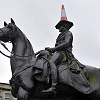
Kelvingrove Park
From Glasgow
The 34 Hectares (85 Acres) classic Victorian park is located north of the River Clyde about 1.5 miles west of the city centre between the districts of Partick and Yorkhill to the south, Woodlands to the north, Cranstonhill to the east and Hillhead to the west. Generally situated between Glasgow University and The Kelvingrove Art Gallery and Museum. Its official address is Otago Street, G3 6BY.
The land, forming Kelvingrove and Woodlands Estates was purchased by the City in 1852 for the sum of £99,569 to create the West End Park. Additional land was bought on the western bank of the Kelvin circa 1870 — at the time Glasgow University moved to its current location. This area is now known as Kelvingrove Park.
Sir Joesph Paxton was asked to produce plans, which were exhibited in public, however Charles Wilson and Thomas Kyle became the park's principal designers. The northern higher parts of the park were the original Pleasure Grounds, planted with trees and shrubs, designed to offer pleasant walks and good views. A later development was the use of the flatter areas at the southern end for sports facilities.
Contents |
[edit] Features
- Kelvingrove Skate Park
- Kelvingrove Art Gallery and Museum
- five bowling greens
- croquet green
- six synthetic tennis courts
- children’s play area
- football pitch
[edit] Statues and Monuments
- Cameronians War Memorial
- Kennedy Monument
- Lord Kelvin Statue
- Lord Lister Statue
- Lord Roberts Statue
- Stewart Memorial Fountain
- Granite Staircase
[edit] Gallery
[edit] External Links
- Detailed PDF map of the park
- Glasgow City Council's Kelvingrove Park Pages
- Friends of Kelvingrove Park
- Scotland Guide's articles on Kelvingrove Park
- Image of Kelvingrove Park circa 1870
- A Circular Cycle/Walk from Kelvingrove Park
- SequestrationScotland.net
[edit] Related Links:
palm beach condos sequestration scotland consolidation loan lenders near Kelvingrove Park Glasgow

